Attic cleanouts are an essential part of home maintenance, especially in warmer climates like Fort Myers, Florida. Over time an attic can become stuffed with forgotten boxes, old furniture, holiday decorations, and even hidden hazards (like water damage or pests). This comprehensive “attic cleanout checklist” will guide you step by step through preparing your attic for cleaning or junk removal. Fort Myers homeowners and those in nearby communities like Cape Coral, Lehigh Acres, Bonita Springs, and Sanibel can use this guide to ensure a safe, efficient cleanout that maximizes space and home safety. Use the following checklist to methodically prepare for your attic cleaning:
1. Inspect the Attic Contents
Before you start hauling anything down, carefully survey the attic’s contents. Take a quick inventory: note any damaged boxes, broken furniture, old clothing, or other items you know you won’t use. Bring a flashlight and wear a dust mask — attics are often dark and poorly ventilated. Mentally sort items into Keep, Donate/Sell, or Discard piles as you look. You’re still in the planning stage, so don’t move anything yet. If you spot a very large pile of unwanted junk, consider scheduling professional help. Pure Disposal offers a full attic cleanout service that can handle heavy lifting and make the process smoother for you.
2. Clear and Prepare the Access Path
Safety is paramount when accessing an attic. Ensure any attic ladder or stairs are sturdy and that the area is well-lit to prevent trips and falls. Clear a straight path from the living space up into the attic by moving any furniture or obstacles out of the way. Inside the attic, arrange stored items neatly along the sides and keep the center aisle open so you can walk and work safely. As one guide advises, “clear a pathway both inside the attic and out” before moving items. If the attic’s lighting is dim, bring extra lights (a headlamp or LED work light) so you can see clearly while working.
3. Gather Necessary Supplies and Safety Gear
Before climbing into the attic, assemble the right supplies. Important items include:
- Protective Clothing: Wear long sleeves, pants, and work gloves to shield your skin from insulation fibers, nails, and sharp objects.
- Respiratory Protection: Use a NIOSH-rated dust mask or respirator. Attics are often dusty and filled with insulation particles, so a mask will guard your lungs.
- Eye Protection: Safety goggles or glasses protect against falling dust, insulation bits, or debris.
- Lighting: Bring a bright headlamp or portable work lights. Good lighting is crucial when attics may not have built-in fixtures.
- Trash Bags and Boxes: Use heavy-duty trash bags and sturdy bins to sort items into Keep, Donate/Sell, or Discard piles. Label these in advance to stay organized.
- Tools: Keep a broom or shop vacuum for sweeping dust, a screwdriver or pry bar for nails or loose boards, and anything else you might need (a flashlight, for example, to reach into dark corners).
Gathering these supplies is part of your DIY prep. If it feels overwhelming, remember Pure Disposal’s professionals have all this gear ready — they provide a trusted attic cleanout service so you don’t have to shop or climb up multiple times.
4. Follow Safety Tips While Working
Once you begin moving things out, keep safety top of mind. Attic floors are often weak or uneven. Step only on joists or on secure flooring — if a board looks fragile or has exposed nails, lay a piece of plywood over it first. Always climb ladders slowly, keeping three points of contact. Don’t overload yourself: bring down just one or two boxes at a time, or have a helper hand items up or down.
Florida’s attics can trap heat, even in early morning. Avoid working during the hottest part of the day and take frequent breaks with water. Stay alert for pests: check any cleared areas for rodent droppings or nests, and watch for insects or small wildlife. If you find evidence of a large infestation or serious problems (like chewed wiring or significant mold), pause the cleanout and consider calling a professional. This keeps you safe and helps protect your home.
5. Sort Items as You Remove Them
Begin sorting items right away into clear piles: Keep, Donate/Sell, and Discard. This prevents clutter from piling up again later. For each item, ask “When was the last time I used this?” If you can’t remember using it in over a year, consider letting it go. Usable items in good condition go into the Donate/Sell pile (many charities or thrift stores will take them). Anything broken, moldy, water-damaged or unsafe goes into Discard.
Take down only a few boxes or bags at a time (2–4), sort them outside the attic, then repeat. Working in small batches keeps you from getting overwhelmed and helps prevent accidents. Clearly label each bin or bag by category as you work so nothing gets mixed up. Remember to dismantle empty cardboard boxes and flatten them — they don’t need to go back up into storage.
6. Inspect and Clean the Empty Attic
Once everything is out, don’t just stop there. Sweep or vacuum all floors and exposed surfaces to remove leftover dust, insulation bits, and cobwebs. Wipe down visible beams or joists if you can. A clean attic is a healthy attic: it improves air quality and makes future inspections easier.
While cleaning, look for any problems:
- Pests: Check carefully for rodent droppings, nests, or insect activity, and address these immediately.
- Water or Mold: Inspect rafters, insulation, and roof sheathing for stains, leaks, or mold growth. Even a small roof leak can cause mold in humid climates like Southwest Florida.
- Insulation and Vents: Notice if insulation is damp, compressed, or pulled away from walls. Make sure soffit vents and ridge vents are clear so air can circulate.
Cleaning also helps your home’s health and efficiency. A “dry, well-ventilated attic” can reduce allergens and even lower utility bills. For more on these benefits, see our article Attic Cleanouts Improve Air Quality & Home Safety.
7. Finalize Disposal and Storage
By now you have piles of sorted items. Handle them properly: drop trash bags at the curb (or take them to the dump if necessary), recycle metals and e-waste at a recycling center, and take usable goods to donation sites. Keep only what you truly need in the attic, and organize that remaining “Keep” pile neatly.
If your discard pile is large or heavy, consider professional removal. Pure Disposal is the professional junk removal Fort Myers company homeowners rely on for bulky pick-ups. We can haul away the rest of the junk in one trip and sort out recyclables or donations for you, saving you time and trips. Check our attic cleanout cost page for pricing — it can be surprisingly affordable to have the pros handle this and save your back.
DIY Prep vs. Professional Help
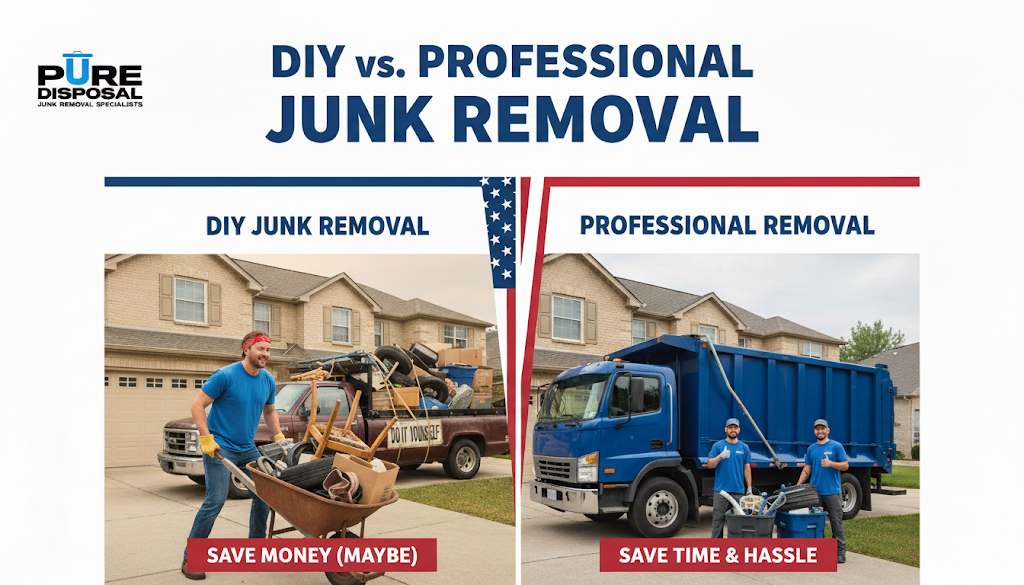
Many Fort Myers homeowners tackle attic cleanouts themselves, but it can be a big job. If you’re short on time or facing a very full attic, hiring professionals may be wiser. Pure Disposal’s team follows the same checklist steps — inspection, sorting, and hauling — but finishes much faster. A trained crew can often clear out an entire attic in a day, whereas a DIY job might take several weekends. For more on timing, see our article How Fast Can You Get Rid of Clutter.
That said, doing some prep yourself can save money. You might sort seasonal items or bag trash ahead of time, or remove things already destined for the trash. Whether you DIY or hire help, the key is planning and preparation. If you choose Pure Disposal for the job, our team will ensure safety and thoroughness. We offer a full attic cleanout service so you can simply point and clear — no heavy lifting needed.
Safety and Environmental Reminders
Working with old attic contents can raise health and environmental issues. Always keep wearing your mask, gloves, and goggles as needed. If you encounter hazardous materials (asbestos insulation, severe mold, animal waste, etc.), stop and get professional help — safety first! Don’t burn or improperly dump unwanted materials.
Also think green. Recycling or donating usable items prevents them from becoming landfill waste. Pure Disposal participates in community efforts like Sanibel Community Cleanups that keep the region clean. By responsibly disposing of or giving away attic items, you help both your home and the local environment.
Conclusion
A well-planned attic cleanout can transform wasted space into valuable, organized storage. By following this attic cleanout checklist, Fort Myers homeowners can achieve a thorough, safe, and eco-friendly cleanout. Prioritize planning, gather your supplies, and take care of safety at every step. Then, whether you roll up your sleeves with DIY prep or call in the experts, you’ll enjoy the benefits of a clutter-free attic — better air quality, more space, and peace of mind. Pure Disposal is here for both paths: from tips to completing the job, our attic cleanout service makes the process hassle-free when you need an extra hand.
Attic Cleanout FAQ (Fort Myers Homeowners)
Q1: How long does an attic cleanout take?
Most DIY attic cleanouts take a full weekend (or multiple weekends) depending on heat, access, and how much sorting is involved. A professional crew can often finish the same job in a single day because hauling and disposal are handled in one trip.
Q2: What’s the safest way to work in a hot attic?
Start early, take frequent breaks, hydrate, and use a respirator-style mask if dust is heavy. Watch for low visibility areas and step only on stable joists or flooring.
Q3: What items should never be stored in an attic?
Anything affected by heat/humidity (photos, candles, electronics, certain plastics), plus anything that creates odors or attracts pests.
Q4: Where do I take old electronics or scrap metal?
Electronics and metal should be recycled responsibly. If you’re unsure where to drop them, staging items for pickup can be easier than multiple trips.
Q5: When should I hire junk removal instead of DIY?
If you have bulky items, a large volume, or limited time, especially if you’re trying to clear the attic quickly, junk removal is typically the safer, faster route.